The Ski Season Can Begin – the Snow Is Already Here
Winter at Finnish ski resorts is surprisingly long, stretching from early October well into May. Efficient snowmaking systems help create winter conditions across the country, but the very first turns of the season are made on stored snow.
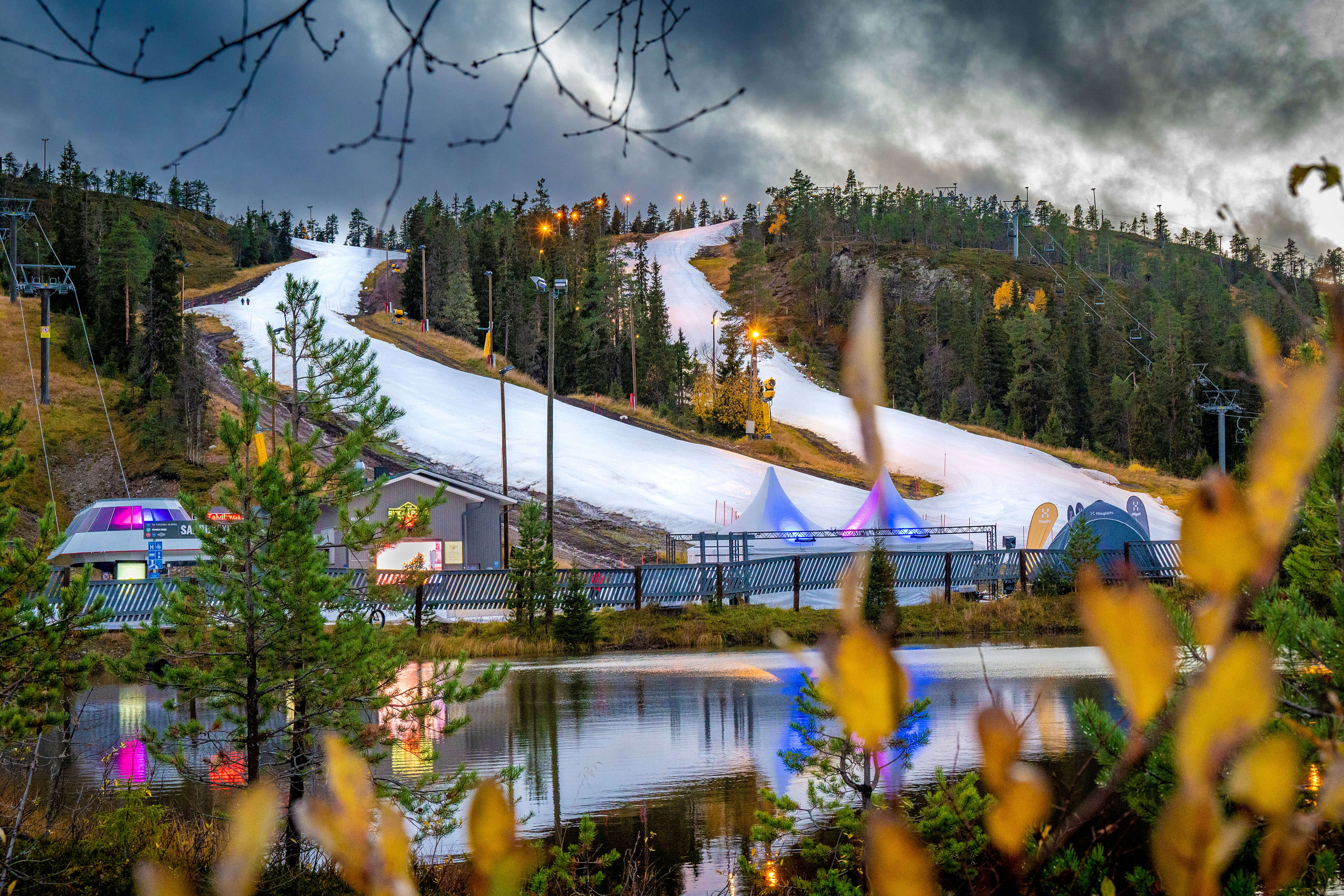
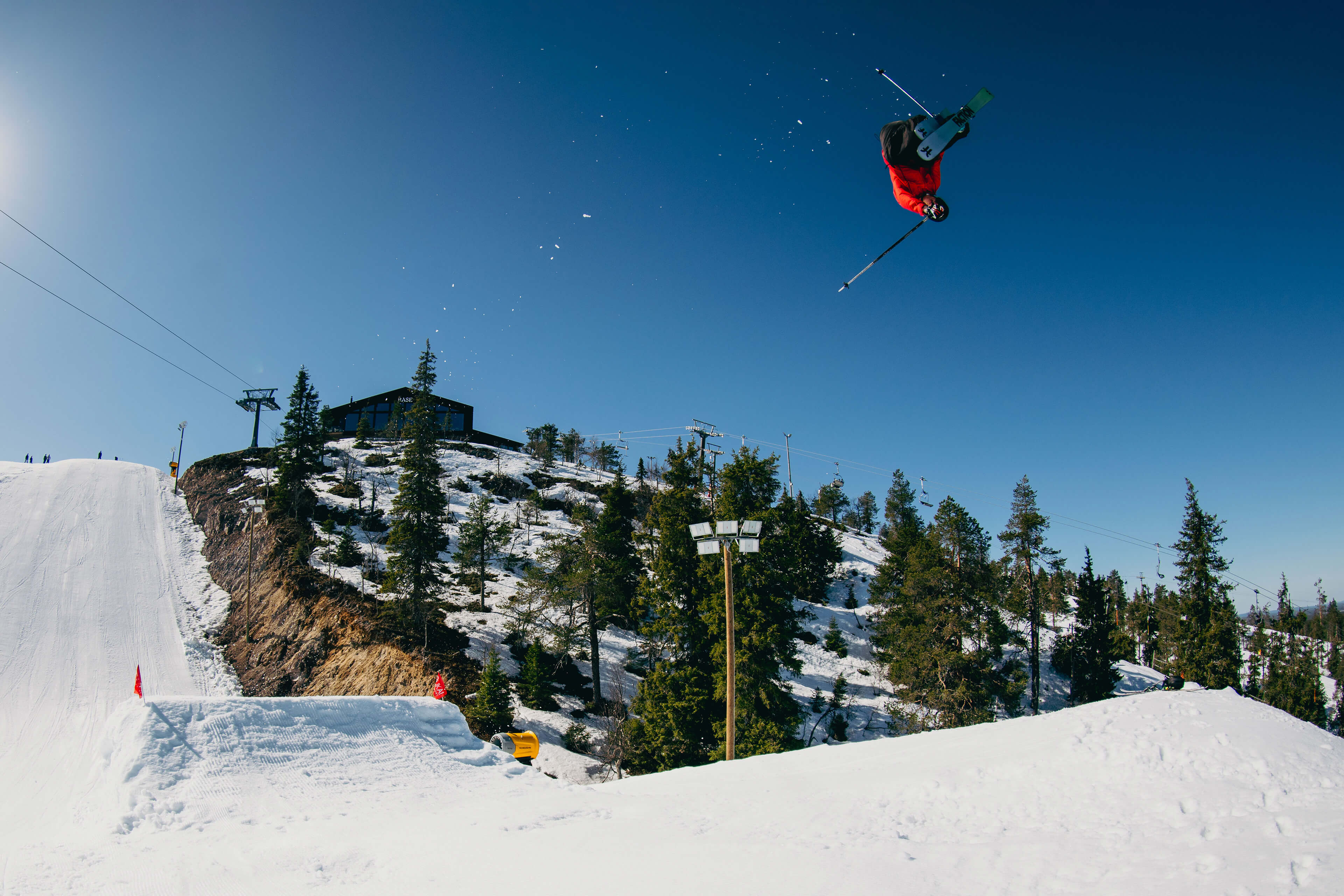
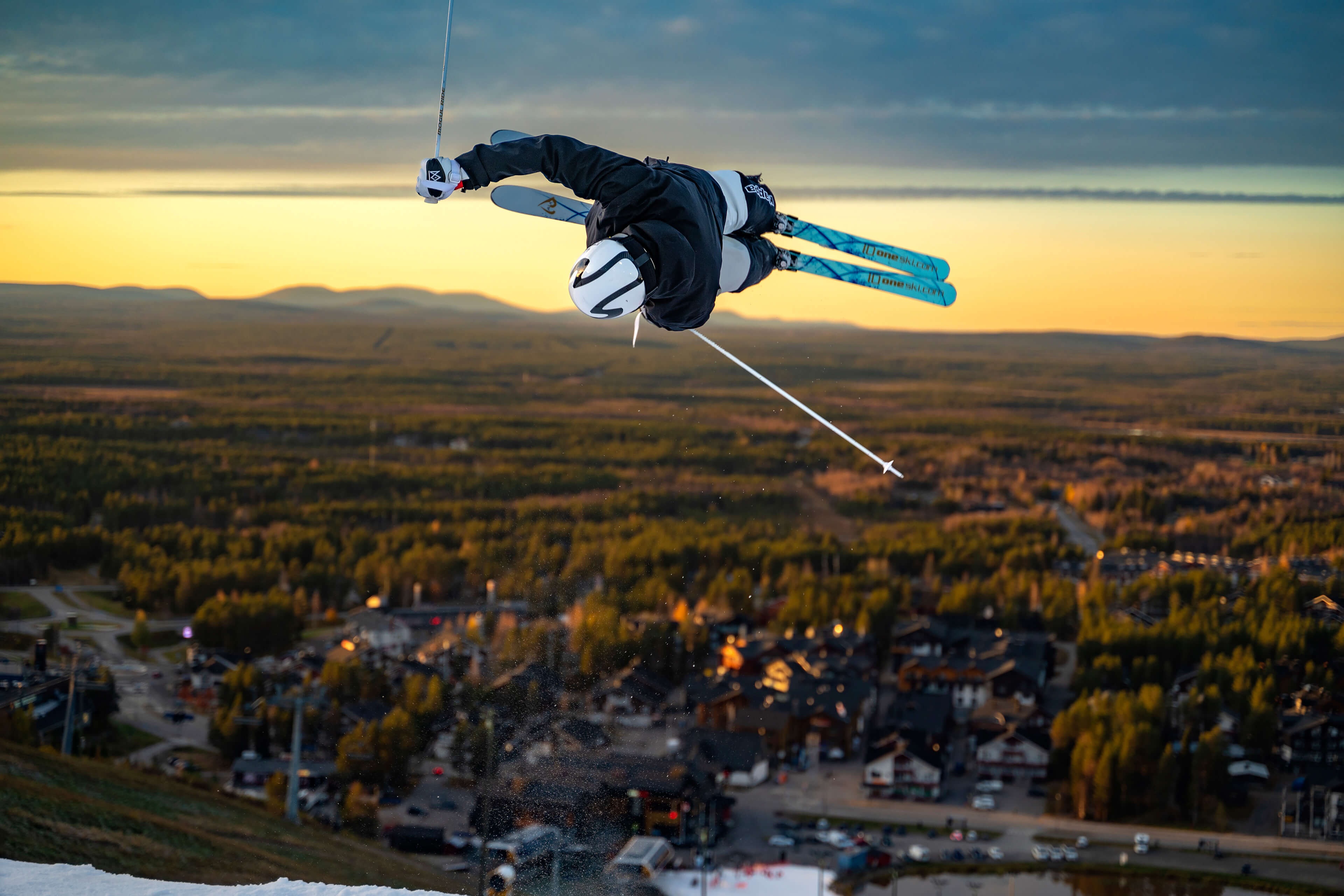
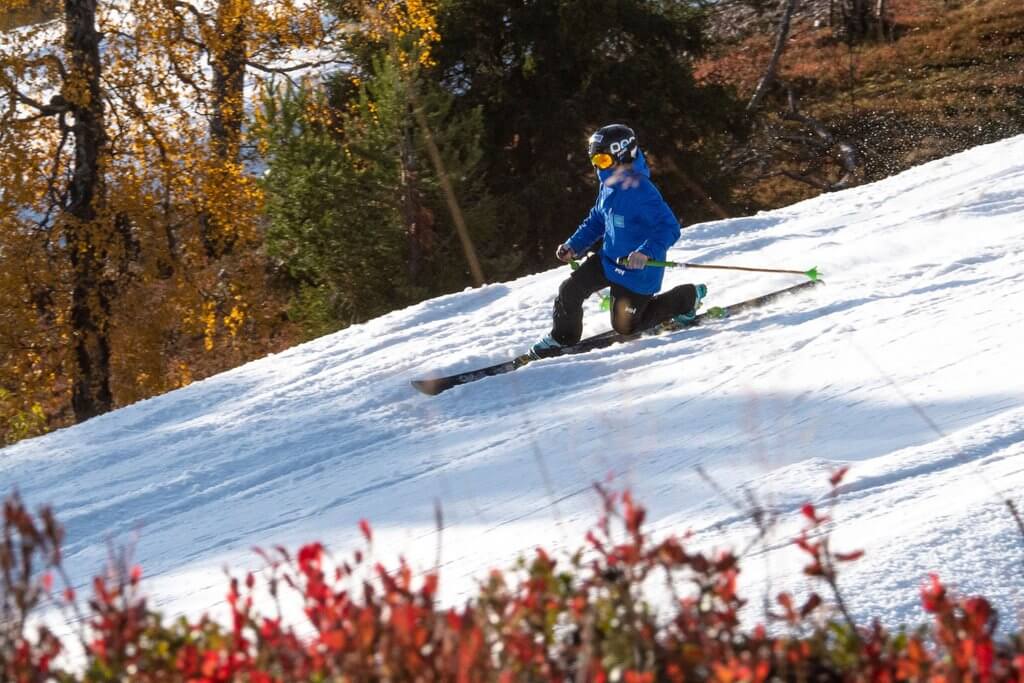
Stored snow allows the ski season to begin without waiting for the first snowfall or cold enough conditions for snowmaking. Snow is made during favorable winter conditions, used on the slopes, stored through the summer, and spread back onto the slopes in the fall. The photo was taken at Ruka in October.
Finland’s ski season starts early, with Levi and Ruka traditionally opening their slopes in early October. Skiers and snowboarders can make their first turns on snow that has already been used once, stored through the summer and spread back onto the slopes.
Stored snow may sound like a modern invention, but people have been storing snow and ice for thousands of years. What is new is how efficiently this old idea is being used at Finnish ski resorts.
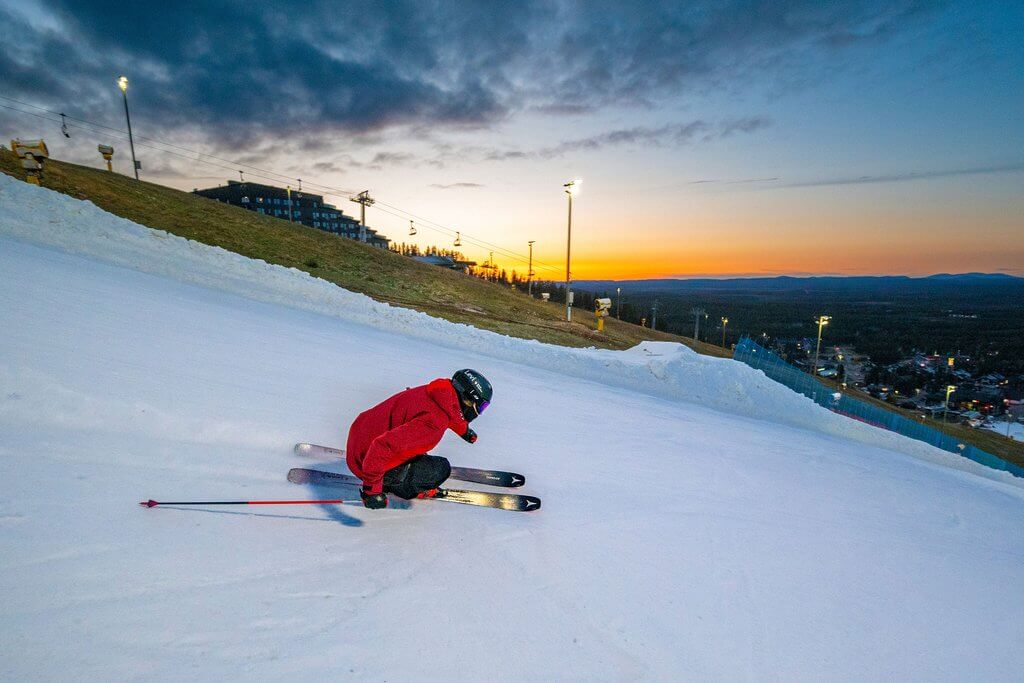
Storing snow and ice is nothing new
The ancient Greeks already knew how to store ice, and hundreds of years before the beginning of the Common Era, ice storage structures were built in Persia to provide cool spaces during the summer.
Finland also has a long tradition of storing ice. Before modern refrigeration, blocks of ice were cut from frozen lakes and rivers during winter and stored under thick layers of sawdust. The ice was used to keep food – especially dairy products – cool through the summer.
The principle was simple: make use of winter when winter is at its best, insulate the ice carefully and save it for when it is needed.
Snow and ice have been stored for all kinds of purposes. Even a rather terrifying Santa Claus has been trapped in ice and insulated with sawdust – at least in the darkly humorous Finnish movie Rare Exports.
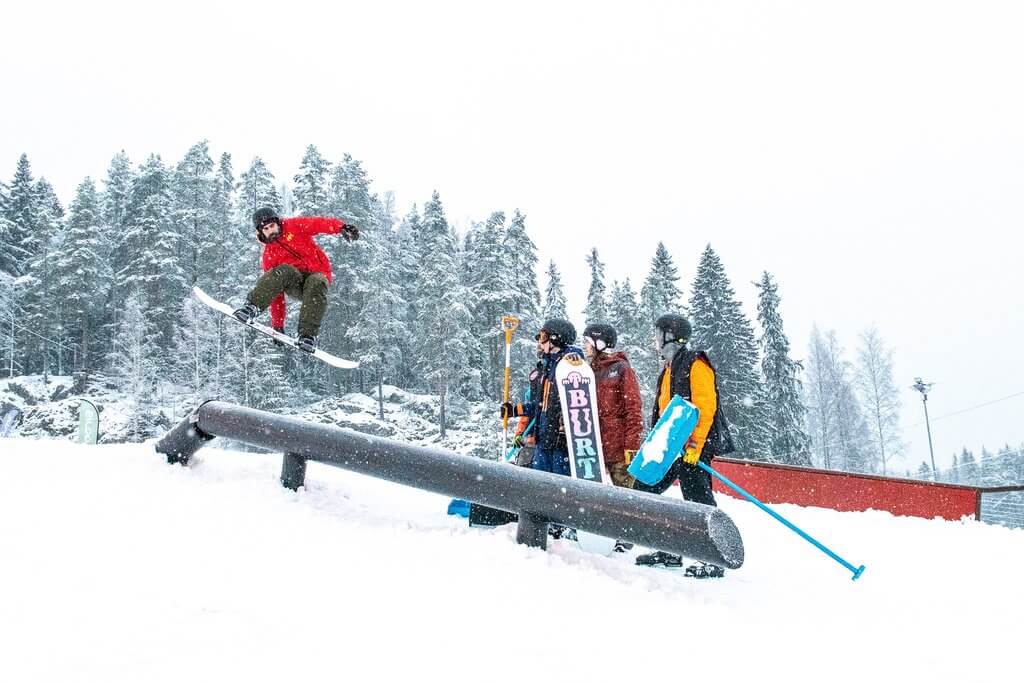
From sawdust to modern snow storage
As refrigeration became commonplace, traditional ice storage gradually disappeared, but the idea itself survived. In Finland, snow was later stored for early-season cross-country ski trails, and eventually the same principle made its way to ski slopes.
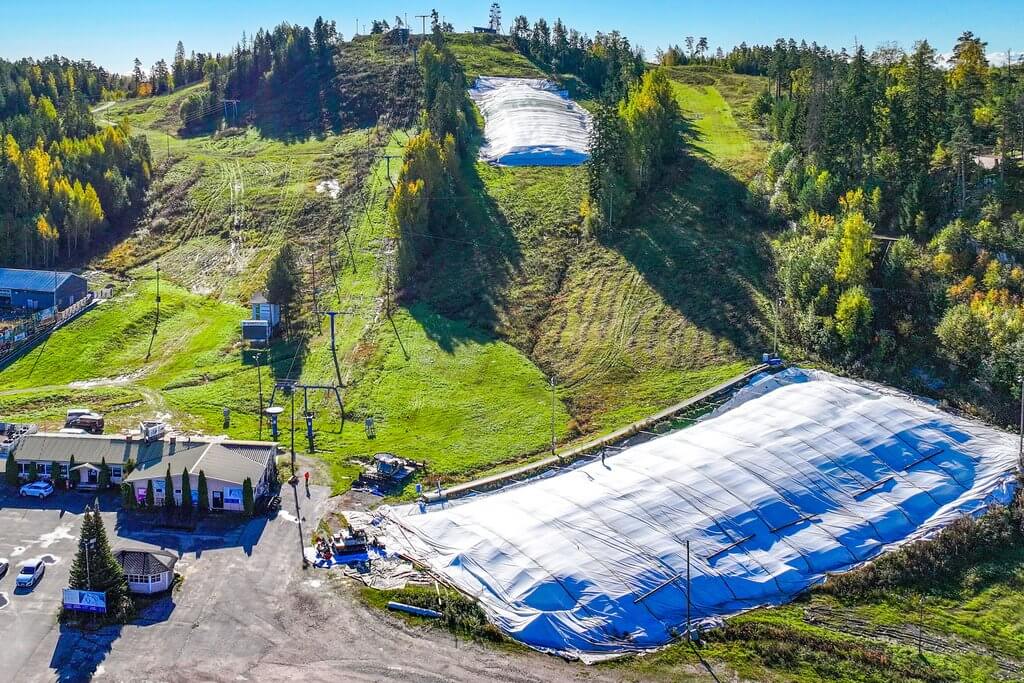
The basic idea remains remarkably natural. Snow is made during the cold winter months, when conditions for snowmaking are ideal. Skiers use it throughout the season. In spring, instead of letting all that snow melt away, part of it is collected into large piles, insulated and stored through the summer. In the fall, the covers are removed and the snow is spread back onto the slopes.
The insulation has developed, too. Traditional sawdust has been complemented by modern covers and insulation systems. One example of Finnish snow-how is a snow storage solution developed by Finnish companies Snow Secure and Finnfoam.
The storage area itself can also be designed around snow reuse. At Levi, for example, the Glacier slope has been built to make storing, spreading and reusing snow as efficient as possible.
Snow is not just stored – it is recycled
Perhaps the best way to understand stored snow is to think of it as recycling snow.
Snow is made when conditions are good, used for skiing, stored through the summer and then used for skiing again. Natural snow becomes part of the same cycle.
Instead of starting from scratch every fall, ski resorts can reuse a valuable resource that is already there.
For skiers, the benefit is obvious: the season can start without waiting for the first snowfall or a long enough cold spell for snowmaking.
For ski resorts, recycling snow also makes snow production more predictable. Snowmaking is most efficient in cold and dry conditions, so snow can be produced during favorable winter weather rather than relying on marginal temperatures in the fall.
Stored snow gives winter a head start
A long ski season is a dream for many skiers and snowboarders. Traditionally, Finnish ski resorts have extended the season at the other end, too – well into spring.
But skiers are an impatient bunch. When the snow is at its brightest and best in spring, many are already dreaming about bikes and golf. Then, when the fall rains arrive, thoughts quickly turn back to skiing.
Opening a ski season with newly made snow always involves some uncertainty. When will the ground be cold enough? When will the first proper cold spell arrive?
With snow stored through the summer, there is no need to wait for the answers.
The snow is already there. Winter just gets a head start.
Skiing and snowboarding
2.10.2026
Updated 2.10.2026